Materials and costing
Give each colorway its own material BOM. Track consumption, wastage, suppliers, and the costs that contribute to a landed-cost sheet.
Explore the capabilityApparel · An example workflow
Connect seasons, styles, and colorways with the materials, specifications, samples, and milestones needed to bring each product to production.
 Click to enlarge ↗
Development to production
Give each colorway its own material BOM. Track consumption, wastage, suppliers, and the costs that contribute to a landed-cost sheet.
Explore the capabilityDefine points of measure, base values, tolerances, and grade increments. Record sample actuals against the same specification.
Explore the capabilityTrack sample rounds, lab dips, fabric tests, results, and dispositions against the material or colorway. Keep supporting reports connected to the product record.
Explore the capabilityPlan milestones from an order’s anchor date. Assign owners and predecessors, then follow the schedule as dates change.
Explore the capabilityYour model, your workflow
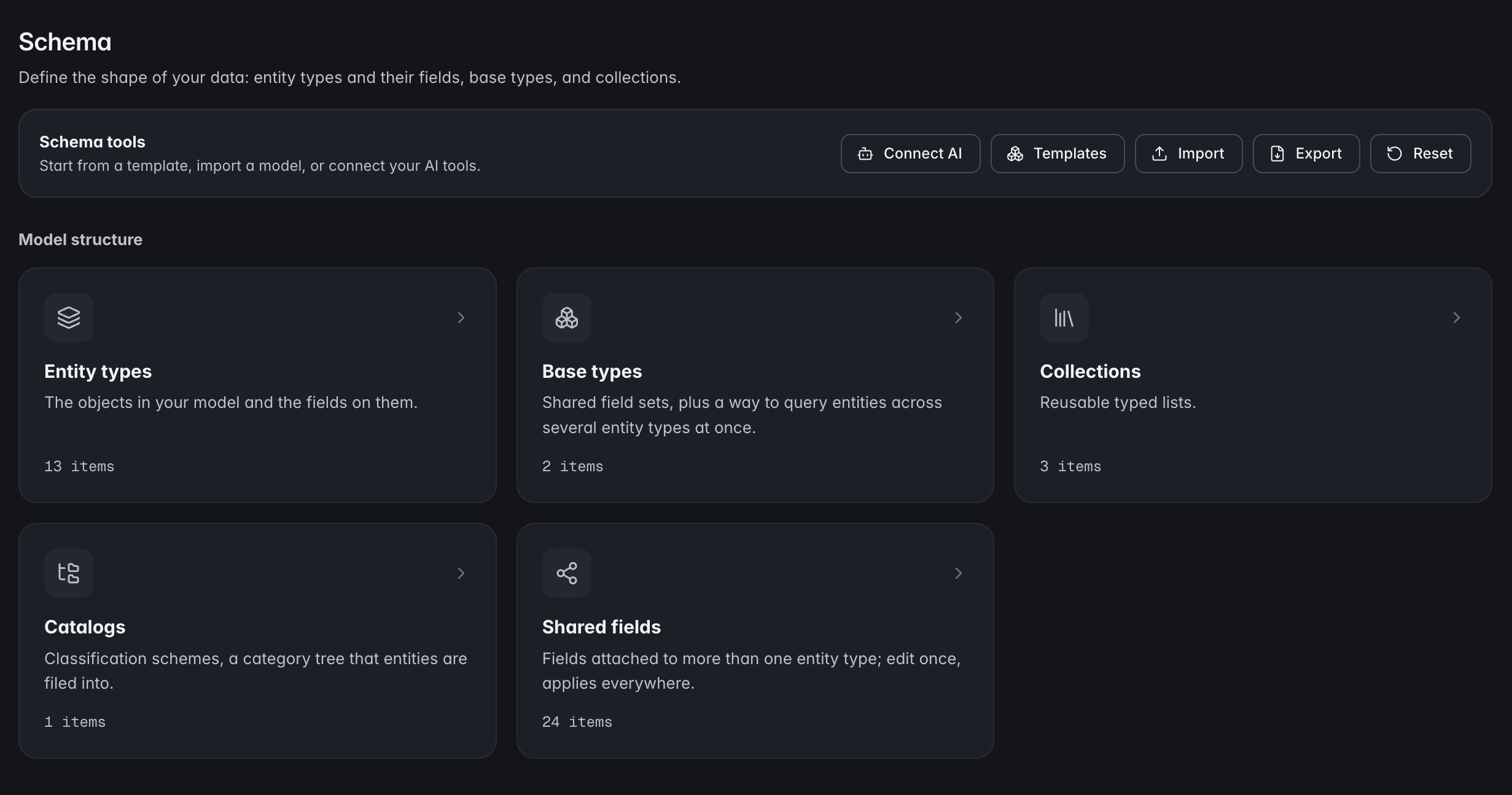
Model fabrics, trims, styles, and colorways with the fields each needs. Strongly typed relationships connect the assortment, while shared base types keep common information consistent across related records.
ManyRows supports products across industries. Use a starter template, extend the model, or build your own from an empty project.
Explore the modelling toolsA closer look
Each point of measure has a base value, tolerance, and grade increment. Templates provide a starting point, and measured sample values are recorded against the specification.
Milestones are calculated as offsets from the order’s anchor date. Updating that date recalculates the schedule, with owners and dependencies retained.
Yes. Proposed edits go into a working copy for review. Applying an approved change updates the record and preserves an immutable revision.
Review the plans and included capacity on the pricing page. You can start with a 7-day trial without a card.
More ways to use ManyRows