Models built from shared assemblies
Connect motors, housings and other purchased parts to reusable subassemblies. Each appliance model keeps its own specifications and full product BOM.
Explore Bills of materialsDevelop model variants around shared assemblies. Connect supplier prices, housing and function observations, sample corrections and the pilot production plan to the product definition.
 Click to enlarge ↗
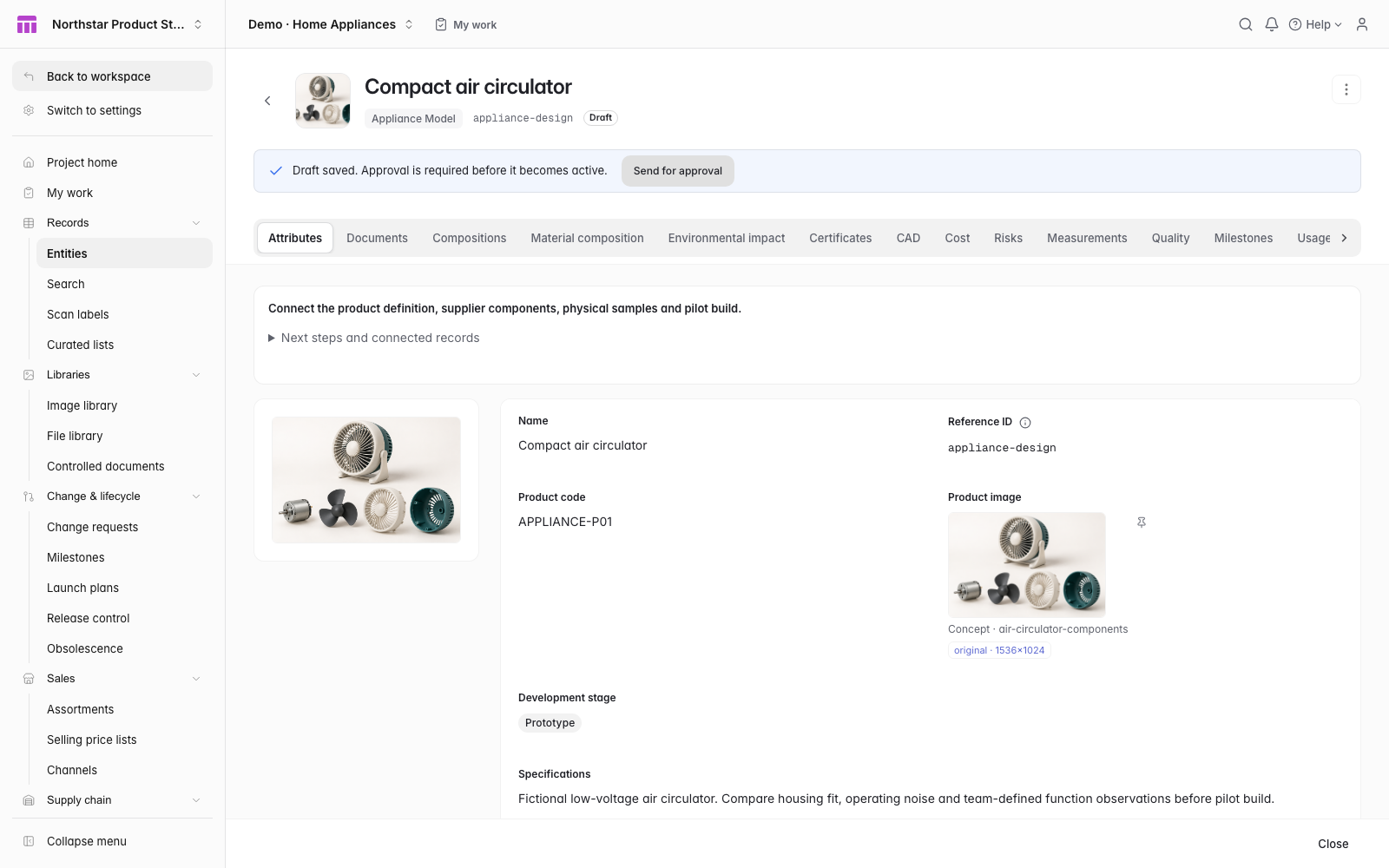
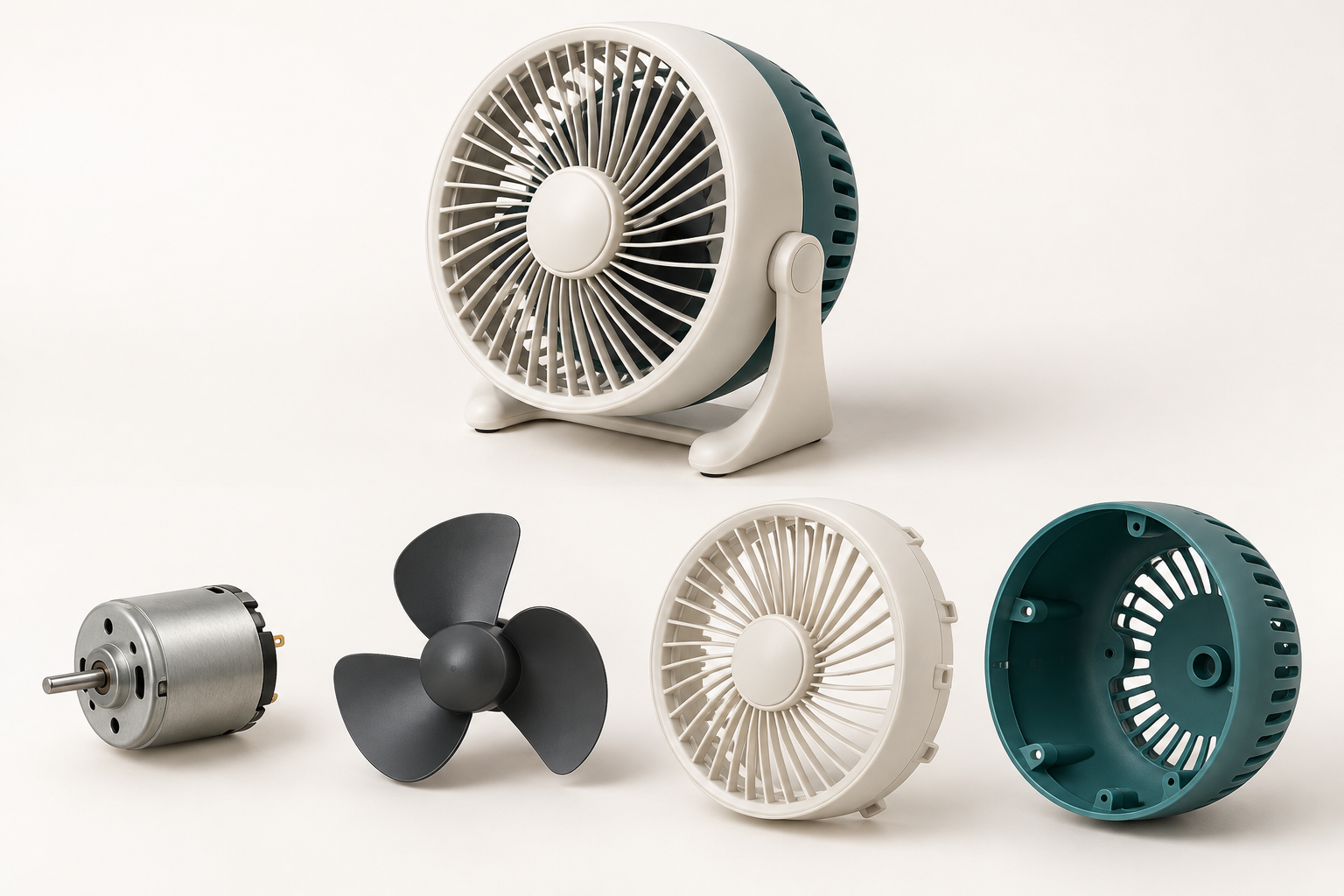
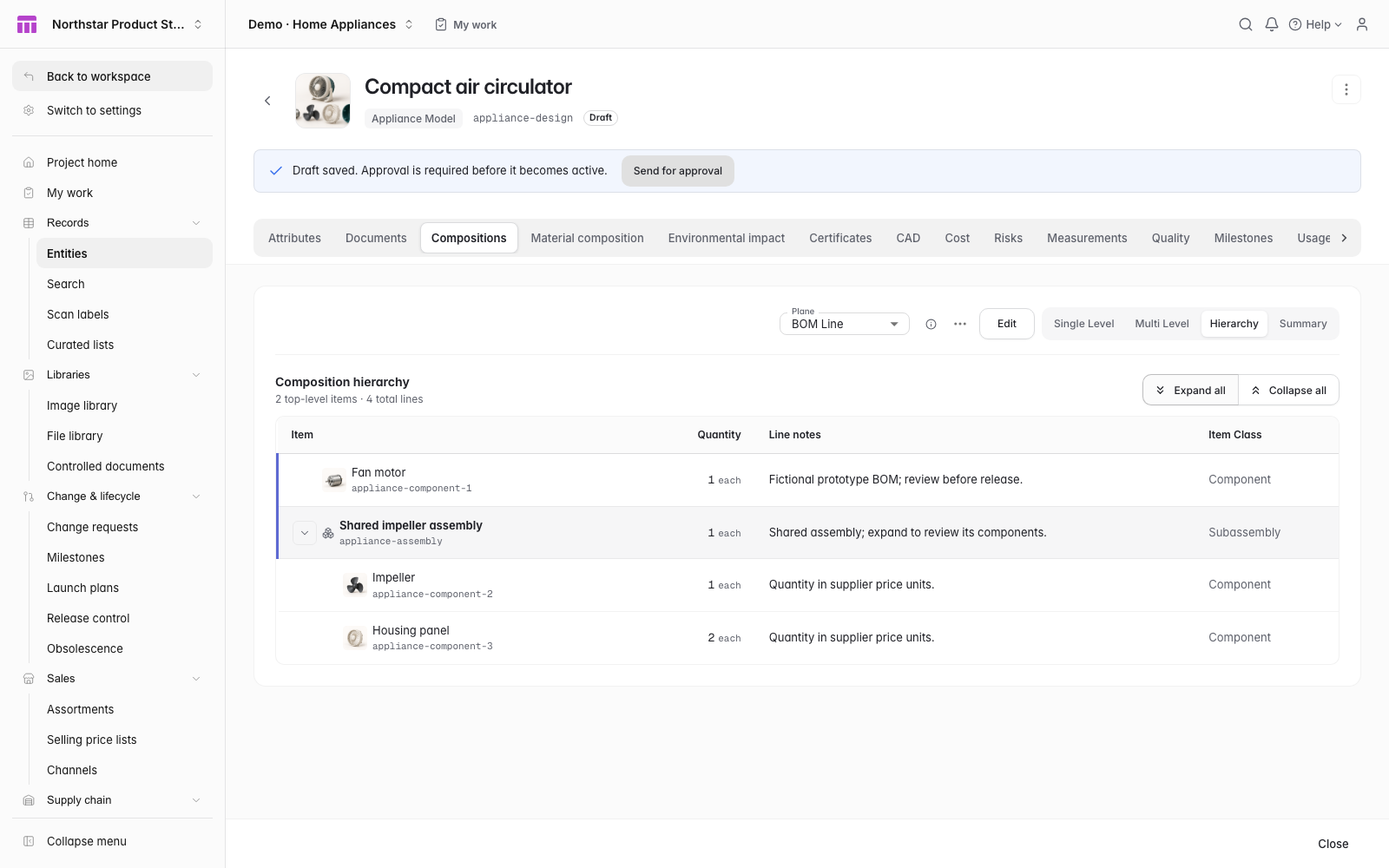
Connect the fan motor, impeller and housing panels to the air circulator model. Shared assemblies keep component decisions visible across the range.
 Enlarge product illustration
  Click to enlarge ↗
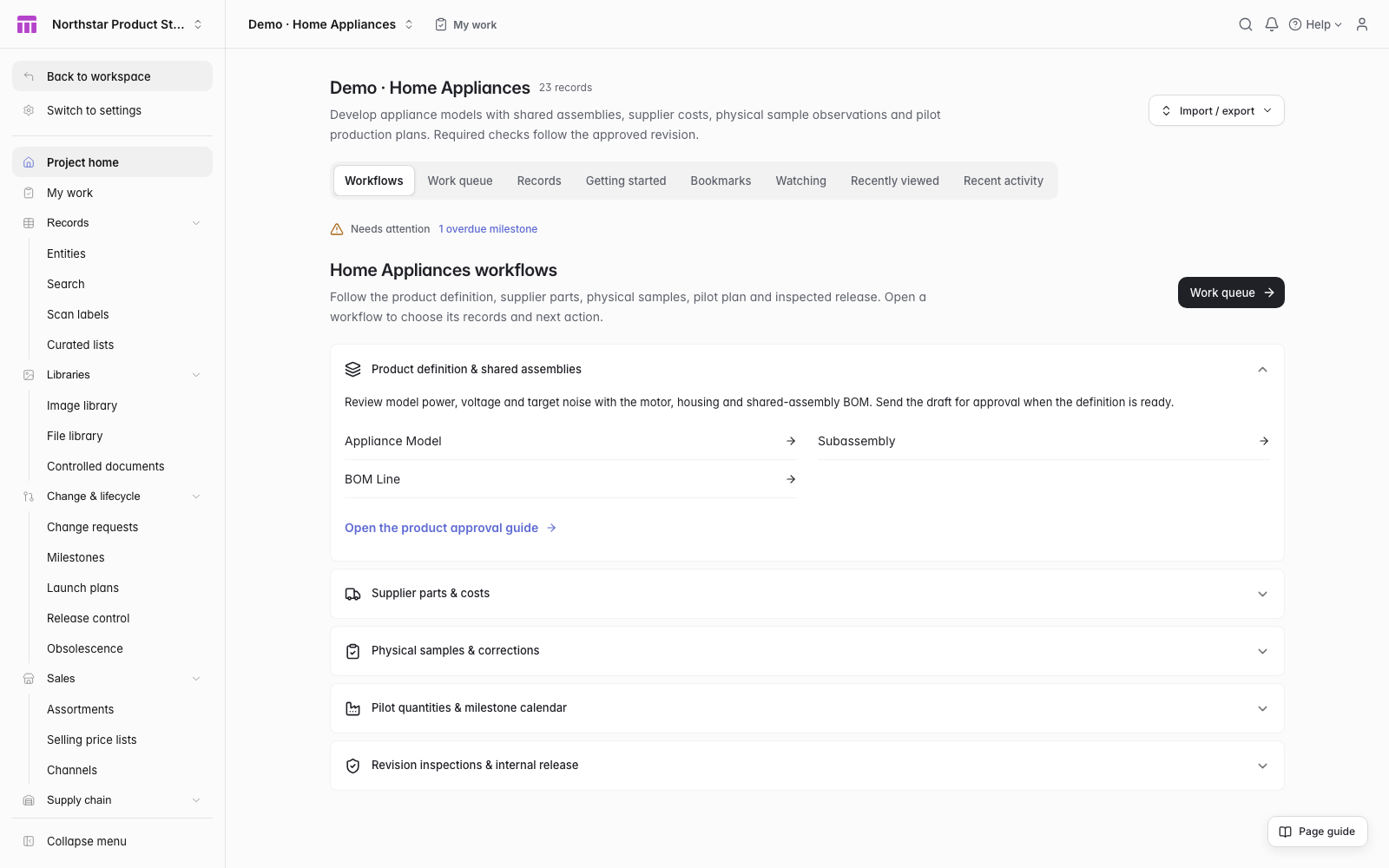
See the project’s products, attention items and next actions together.
 Click to enlarge ↗
Review the fan motor, impeller and housing panels with their component pictures and quantities. Each model keeps its own specifications and full product BOM.
Native ManyRows interface · Fictional example data and AI-generated concept illustrations
 Click to enlarge ↗
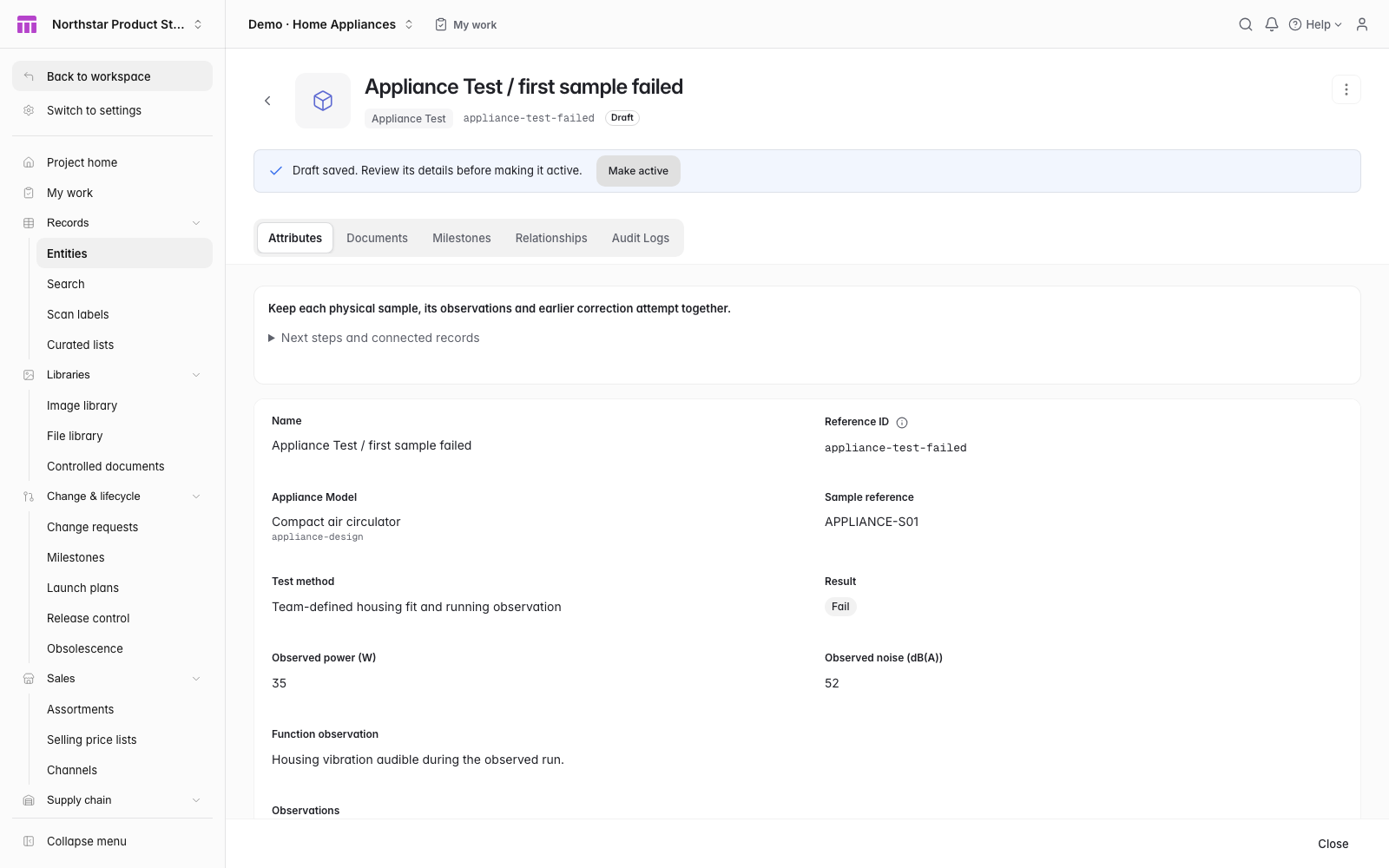
Keep industry-specific measurements beside the method, conditions and evidence reference for each physical attempt.
 Click to enlarge ↗
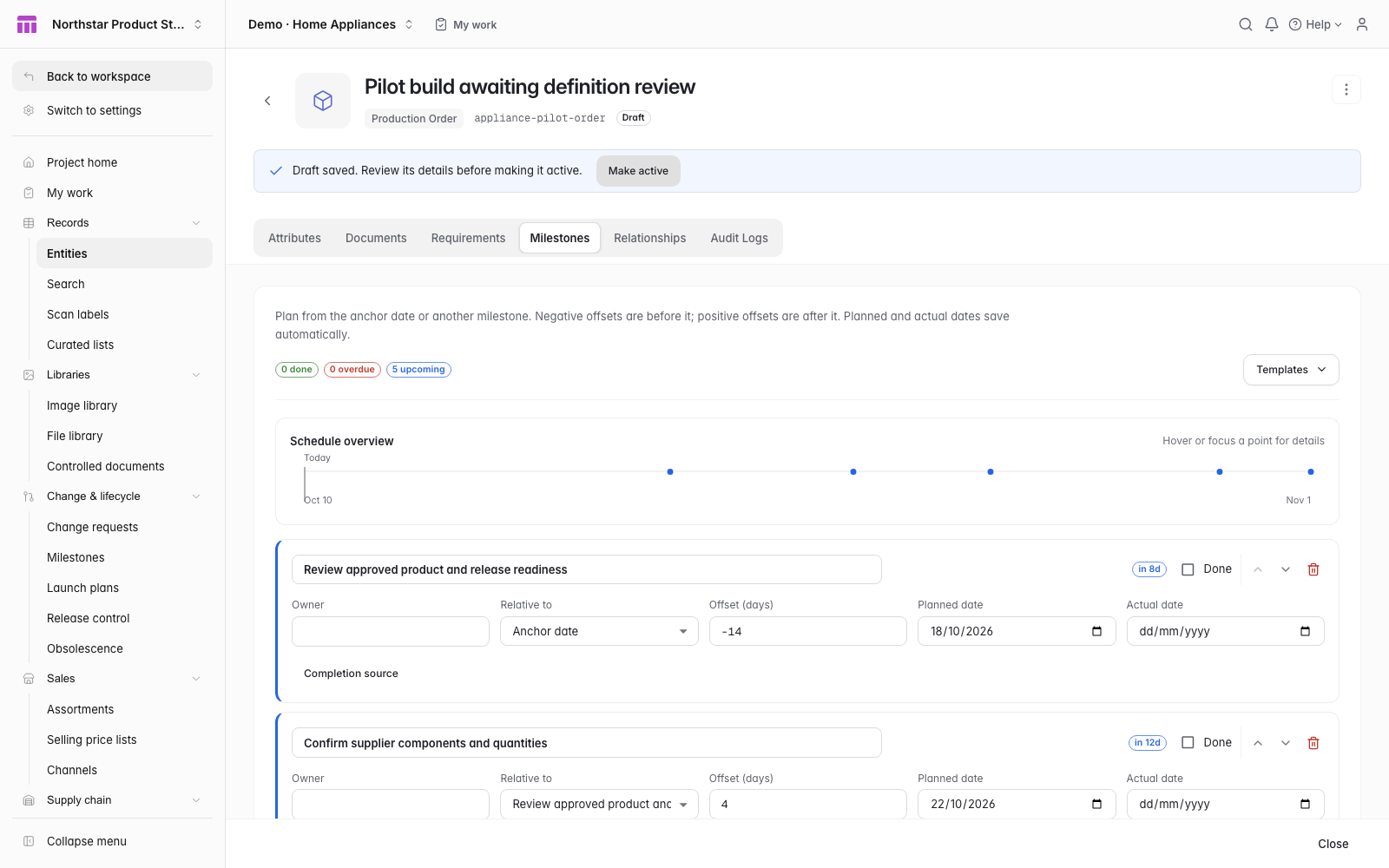
The five-step calendar keeps target dates tied to the order’s due date. Enter owners, actual dates and completion explicitly.
Preview the model before applying it. Include fictional examples to explore the workflow, or start with your own records.
Product variants and the pilot order start as drafts.
Use this starterRead the starter guideOpen the compact and desk Appliance Models. Inspect their shared impeller assembly, fan motor, housing panel, BOM quantities and supplier costs.
Open the failed Appliance Test and its pending correction. Record the physical sample’s actual power in W, noise in dBA, function findings, date, method, conditions and evidence.
Review the live passing sample’s completed evidence before planning the pilot order and its milestones. Approve the intended model revision and complete assembly-and-housing and function-and-noise inspections before internal release.
Open the connected records and tools from the product workflow view. Keep evidence with each physical attempt and each approved revision.
Review the design variants and shared assemblies, then approve the linked product definition.
Confirm components, quantities, price units and lead times. Cost and material requirements use the connected BOM.
Activate the sample and record its actual date, method, conditions, findings and evidence reference. A latest passing attempt with incomplete evidence stays in the work queue, which names the fields to complete or correct.
Review the evidence on a live passing sample and choose Plan pilot order. Confirm quantity, material requirements and due date, then apply the five-step milestone template. Enter owners and actual progress explicitly. A held build stays in the work queue even after its due date.
Complete the two required inspections against that product revision, then certify its internal release. A new revision needs fresh inspection evidence.
Power (W), noise (dBA) and function observations
Connect motors, housings and other purchased parts to reusable subassemblies. Each appliance model keeps its own specifications and full product BOM.
Explore Bills of materialsKeep lead times, component specifications and price units with the supplier-linked parts. Shared assembly costs flow into every model that uses them.
Explore CostingRecord actual power and noise readings, function observations, method, conditions, date and evidence reference with each sample. Link a fresh correction without overwriting the failed result.
Explore QualityConnect the quantity and due date to the model, review material requirements and apply its five-step pilot calendar. Keep missing evidence and unfinished work visible.
Explore PlanningApprove the design revision, then record the required assembly and housing review and function and noise review. Certify the same revision after its evidence is complete.
Explore Release controlExample records to connect
The starter includes two fictional low-voltage air circulator models, a shared impeller and housing assembly, motor costs and physical sample observations. Extend the power, voltage, noise and supplier fields for your product range.
ManyRows supports products across industries. Use a starter template, extend the model, or build your own from an empty project.
Explore the modelling toolsAfter reviewing the evidence on a live passing sample, choose Plan pilot order. The new order starts with the exact linked product. Enter its build number, quantity, due date and progress in the native form. Planning does not certify the sample or release the product.
Set the order to On Hold and record the concern in Production notes. The work queue keeps the hold visible, including after the due date. Review the concern before changing the recorded status and continuing.
Approve the linked product definition first, then activate the sample and pilot order drafts before using them as live work. Product release remains a separate decision after the required inspections.
Yes. Define a component or subassembly once and use it in multiple model BOMs. Where-used shows the affected models when your team reviews a change.
Sample tests capture the actual physical attempt and correction history. The starter also configures required inspections against an approved model revision. A sample status cannot satisfy those inspections.
The examples use fictional team-defined observations. Your team defines the protocol, conditions and acceptance criteria and records the evidence for its actual product.
Review the plans and included capacity on the pricing page. You can start with a 7-day trial without a card.